
Loading...
Loading...
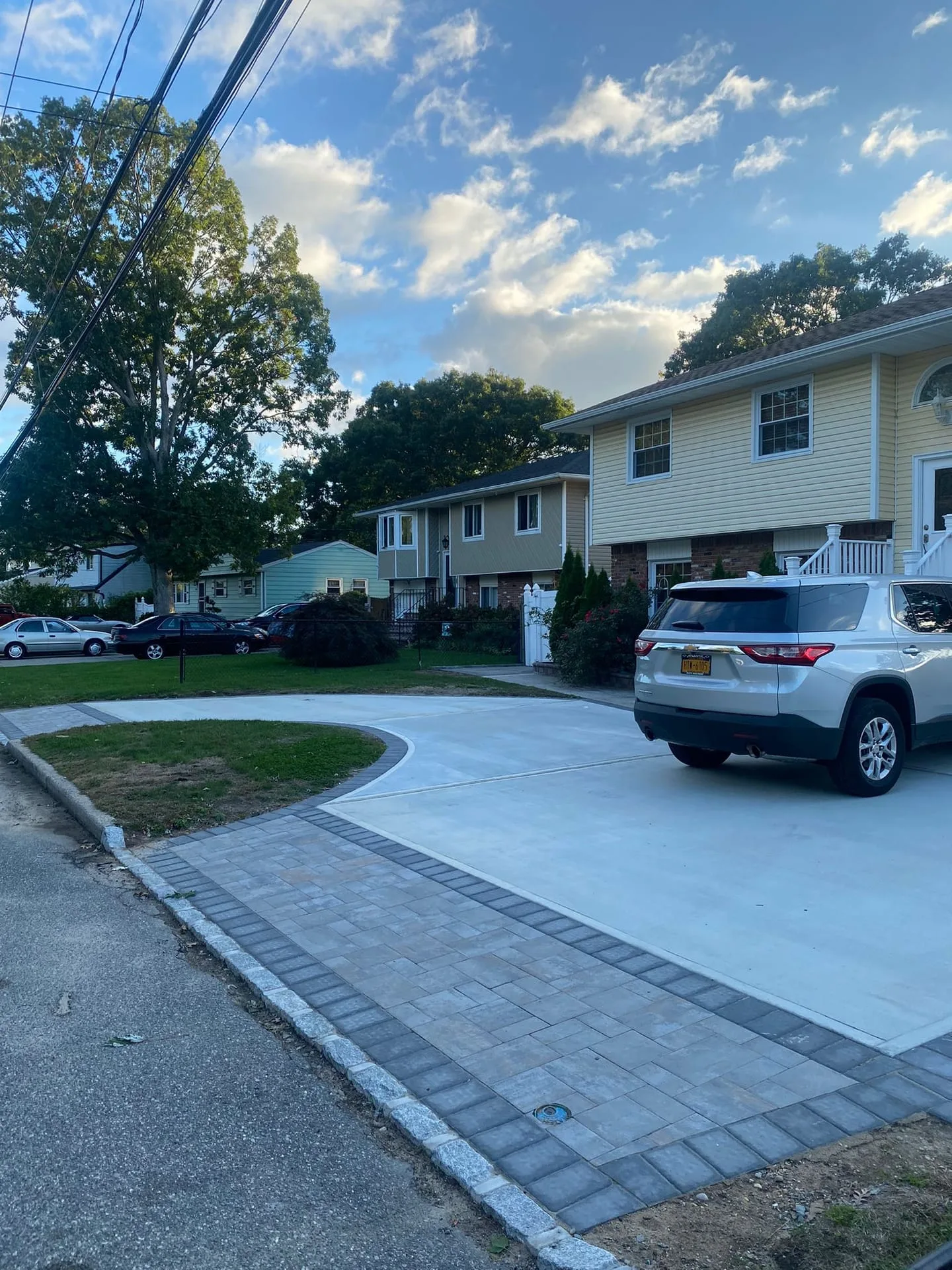
Professional dry well installation on Long Island. Manage stormwater and prevent flooding with underground drainage systems. Free estimates available.
Dry wells are one of the most effective drainage solutions on Long Island, providing an underground collection point where stormwater is temporarily stored and gradually absorbed into the surrounding soil. Brothers Paving & Masonry designs and installs dry well systems that address standing water, foundation flooding, and soggy yards across Nassau and Suffolk County properties.
Long Island's geology makes dry wells a particularly smart choice. Sandy and gravelly South Shore soils offer excellent natural percolation, while properly sized dry wells on the clay-heavy North Shore store water until the surrounding soil can accept it. A dry well receives water from connected sources (roof downspouts, driveway drains, catch basins, or French drains) through underground piping. The water enters a precast concrete or high-density polyethylene chamber buried several feet below grade and slowly seeps through perforations into the surrounding gravel bed and soil.
Our installation begins with a thorough site evaluation: drainage patterns, soil percolation rates, water table depth, and optimal chamber placement. We excavate to the specified depth, line the pit with geotextile filter fabric, surround the chamber with clean washed gravel, and connect all incoming pipes with watertight fittings. Systems range from single-chamber residential units handling one downspout to multi-chamber configurations managing entire properties. All piping is installed at a consistent pitch for gravity flow, with cleanout access points for future maintenance. After installation, we backfill, restore the surface grade, and test the system to verify proper flow.
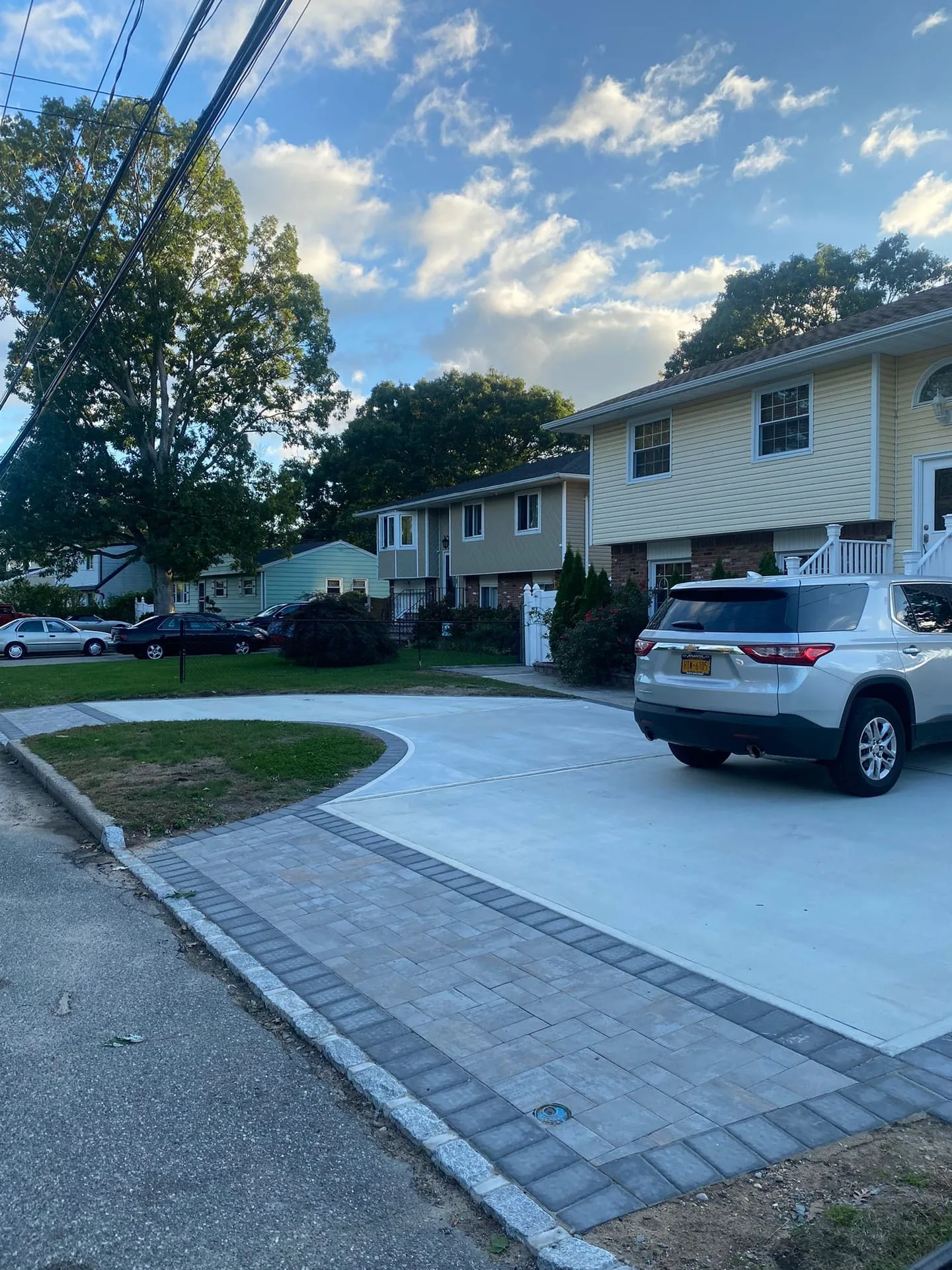
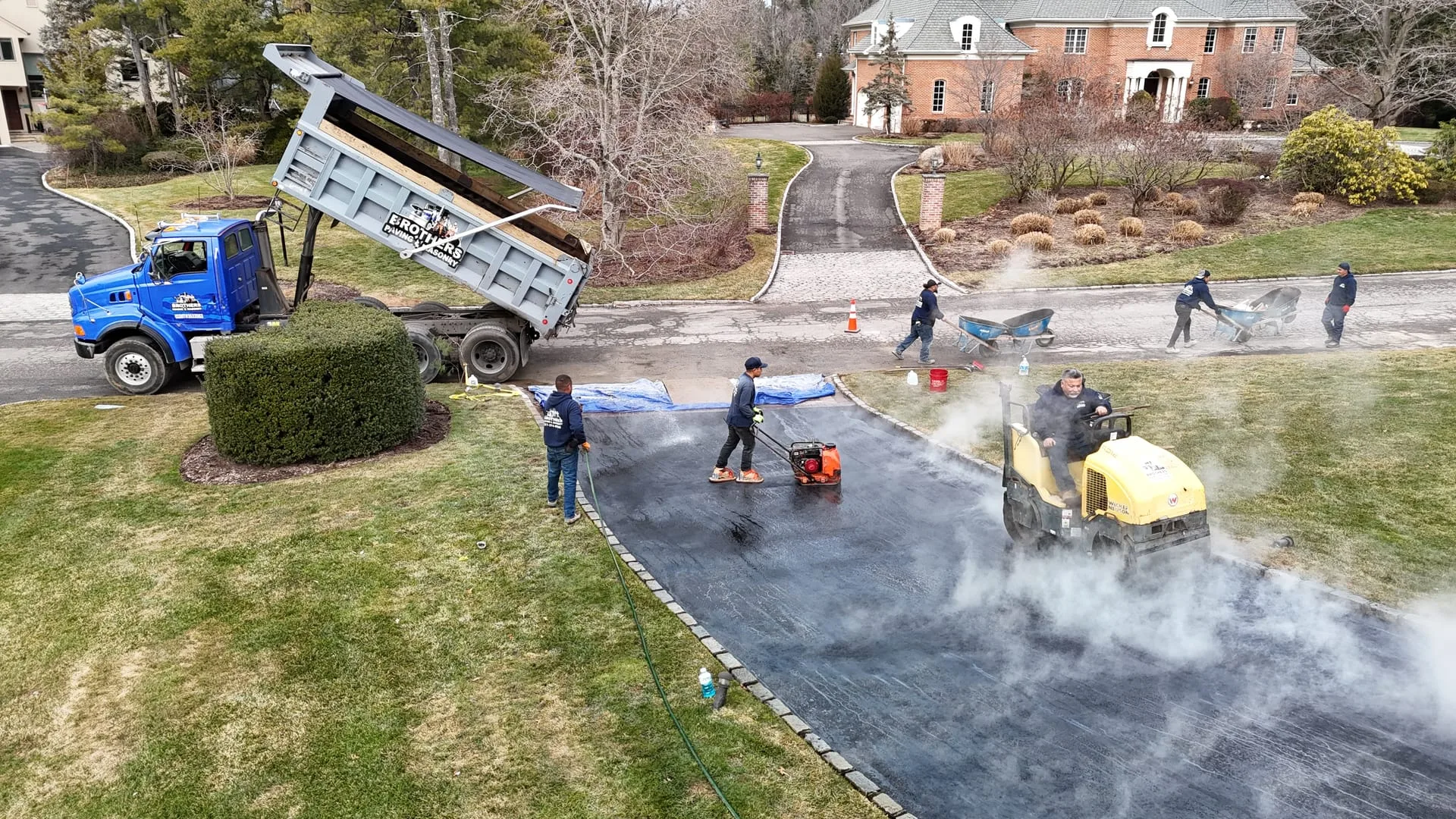
Every project is unique. Here are the main factors that influence pricing:
Call us today for a free, no-obligation estimate.
From first call to finished project. Here's what to expect.
We visit your property, discuss your vision, and provide a detailed estimate.
Our team creates a tailored plan that fits your property, style, and budget.
Our experienced crew brings your project to life with quality materials and craftsmanship.
We walk you through the finished project to ensure your complete satisfaction.
We provide drainage services throughout Nassau and Suffolk County, including Long Island's Gold Coast.
Helpful guides and tips related to drainage.
Planning a retaining wall on Long Island? Our 2026 cost guide covers everything — material pricing, height-based costs, engineering requirements, drainage, permits, soil conditions, and real project totals from Nassau and Suffolk County.
Planning a pool patio on Long Island? Our 2026 cost guide covers everything — material pricing, coping costs, drainage, outdoor kitchens, fire features, and real project totals from Nassau and Suffolk County.
Waterfront properties on Long Island's North Shore face salt spray, erosion, high water tables, and strict setback regulations. Learn the materials, techniques, and strategies that protect your investment.
Or call us now: (631) 374-9796